
Has the air conditioner in your living room suddenly whirred to a halt? Has the microwave that was working just fine an hour ago suddenly gone dark? It can be pretty shocking coming home and seeing only half the down lights in your bedroom are working! One of your safety switches has likely tripped.
As annoying as this can be, a tripped safety switch is actually working as it should: by acting as an indicator of an electrical fault. Resetting a flipped safety switch is easy enough, but addressing a persistent, underlying issue can be a long process. Your electrical switchboard might be due for an upgrade or is pointing to a bigger problem.
Today, our residential electricians at Approved Electrix are here to share the 6 most common reasons your safety switches may be tripping without cause, and how you can identify and correct the electrical fault that caused your switch to trip in the first place.
- How Do I Know If My Safety Switch Has Tripped?
- Top 6 Most Common Reasons why Safety Switches Trip Randomly
- Play It Safe – Book An Electrician to Inspect your Safety Switches
How Do I Know If My Safety Switch Has Tripped?
In Australia, a Residual Current Device (RCD), also known as a safety switch, has been mandatory on power circuits since at least 1991. The safety switch is responsible for disconnecting electrical devices when faults occur. This is vital for not only preventing system failures and electrocution, but also to support electrical fault finding.
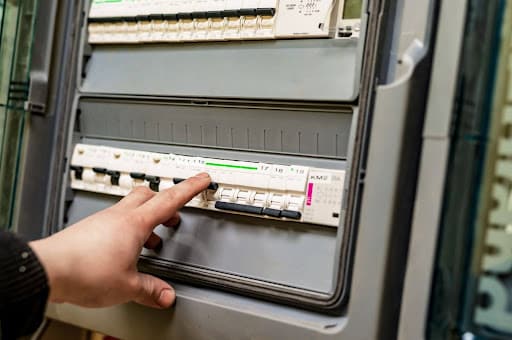
If you notice that one or more appliances or lights in your house or office have stopped working while others seem unphased, then you likely have a safety switch tripping. The safety switch can be found in your fuse box or switchboard.
When you look inside the switch board, see if any of the switches have flipped down. If one or more of the switches are set to “OFF”, this means it has been tripped. Some newer boards might only click halfway when they trip, so be sure to look closely at each switch.
You don’t need to be an electrician to know how to reset a safety switch; simply push it back up to “ON.” Any deactivated lights or appliances should turn back on. This may have simply been a random safety trip due to a temporary electrical fault or surge.
But if the trip switch won’t stay up, then something else is wrong and you may require a licensed electrician to come inspect the problem.
Top 6 Most Common Reasons why Safety Switches Trip Randomly
Here are a few common causes why your safety switches may be randomly tripping.
1. Faulty Fixtures & Appliances
One of the most common causes of a tripping safety switch is a faulty electrical fixture or appliance. Whether it’s an outdated pendant light or that bargain bin food dehydrator you bought online, anything plugged into a power point or wall switch in your property could be a potential cause for the safety switch tripping.
A good way to determine which appliance is the culprit is to unplug everything and one-by-one see which one flips the switch when activated. There could even be multiple appliances to blame – a phenomenon known as ‘nuisance tripping’.
Nuisance tripping occurs when several appliances connected to the same electrical circuits exceed the trip threshold of the safety switch. This often occurs when multiple appliances are operating at once. Has your dish washer ever stopped working when you’ve turned on the kettle? Bingo.
Try to be vigilant about the quality of your electrical appliances. Check often if they show any damage or faults in their hardware. Be sure not to plug too many appliances into the same power board, too. Some of these issues may be addressable during a routine electrical safety inspection.
You can also remove or upgrade faulty fixtures that may be causing switch trips. For instance, swapping out energy-hungry halogen bulbs for LED downlights can help rectify tripped switches caused by outdated interior lighting.
2. Faulty Power Points
On the flip side, the cause of your safety switch tripping may not be your air fryer, but instead the power point itself. While built for versatile utility, power points are also subject to wear and tear and even damage, which can all contribute to an unsafe connection and a tripped safety switch.
Some issues are visible, like cracks, burn damage, or water exposure. Other issues can lie under the surface, like old or loose connections which can cause a current to leak to the earth.
Complications with a power point can lead to a safety switch tripping and other safety concerns. Trust a reliable electrician for your next power point installation and give your existing points a close look when hunting for the cause of your safety switch turning off.
3. Moisture
Another reason why your safety switch trips may be moisture. Water and electricity do mix when electrical safety standards aren’t met, and they can present real danger when entering indoor and outdoor power points.
When moisture enters a power point, switch, or electrical appliance, it can create a conductive path that allows a current to leak. This leakage is exactly what a safety switch is designed to detect.
Outdoor power points can be exposed to rain, sprinklers, or humidity, and stray water and moisture can reach wiring or outlets through leaky roofs or wall cavities. Indoor power points in bathrooms and laundry rooms are primed for exposure to steam, condensation, and running water that can enter switches and sockets. Kitchen splash zones and outlets also risk contact with water due to their proximity to the taps, dishwashers, and sinks.
If your safety switch keeps tripping, it may be due to a sneaky moisture issue. A comprehensive solution may be required to address recurring faults, so you might want to consider a house rewiring service to avoid wet spots. Similarly, installing bathroom heat lamps and exhaust fans in high-moisture areas throughout the home can help reduce risks of moisture entering your power points.
4. Faulty Wiring
Old, frayed, and damaged wiring can also be common causes for tripped safety switches. If a wire is not sufficiently preventing a current from escaping then the safety switch will detect it.
Older houses and office buildings often have issues with insufficient wiring and nuisance tripping. Over time, their electrical systems can be weathered by the elements or even chewed by rodents. They may not be able to keep up with the demands of modern electrical appliances that demand more energy and may cause safety switches to flip more often.
Most importantly, faulty or failing wiring is a serious safety hazard, ripe for electrocution or electrical fires. It is important to make sure your building is up-to-code and compliant with any electrical standards.
If you suspect you have faulty wiring, do not attempt to locate or repair it yourself. Leave the safety switch as it is and contact a licensed electrician for an emergency electrical callout.
5. Lightning Strikes
Some safety switch trips can be caused by the heavens themselves! During an electrical storm, lightning strikes can induce massive surges in the power grid, which your safety switch is designed to respond to.
These surges can momentarily cause electrical currents to leak to earth, triggering your safety switch. This can happen even without losing all your power.
Don’t be surprised if during a storm some of your lights or appliances turn off. When the weather has subsided and it is safe, check if any of your safety switches have tripped. You may be able to turn them back ON unless there are deeper issues which could be prevented with electrical maintenance.
6. Faulty Safety Switch
One unsuspected culprit to your safety switch tripping may actually be the safety switch itself. Safety switches are meant to last for many years but even they can eventually wear out or fail entirely.
There could be any sort of issue with your safety switch. Internal parts like springs, contacts, and sensors can deteriorate over time, reducing their accuracy.
Moisture or dust can contaminate the unit, too, affecting its sensitivity. There can also be manufacturing defects affecting your switchboard. Even electrical surges can cause damage!
If your safety switch is faulty, the switches might trip when there is no real electrical fault present. Just like any other electrical tool, safety switches are subject to faults and require professional care and maintenance.
Book in with an electrical specialist if you suspect your safety switch may be in need of a repair or upgrade. Doing so will ensure you keep your home or business safe from electrical faults and surges.
Play It Safe – Book An Electrician to Inspect your Safety Switches
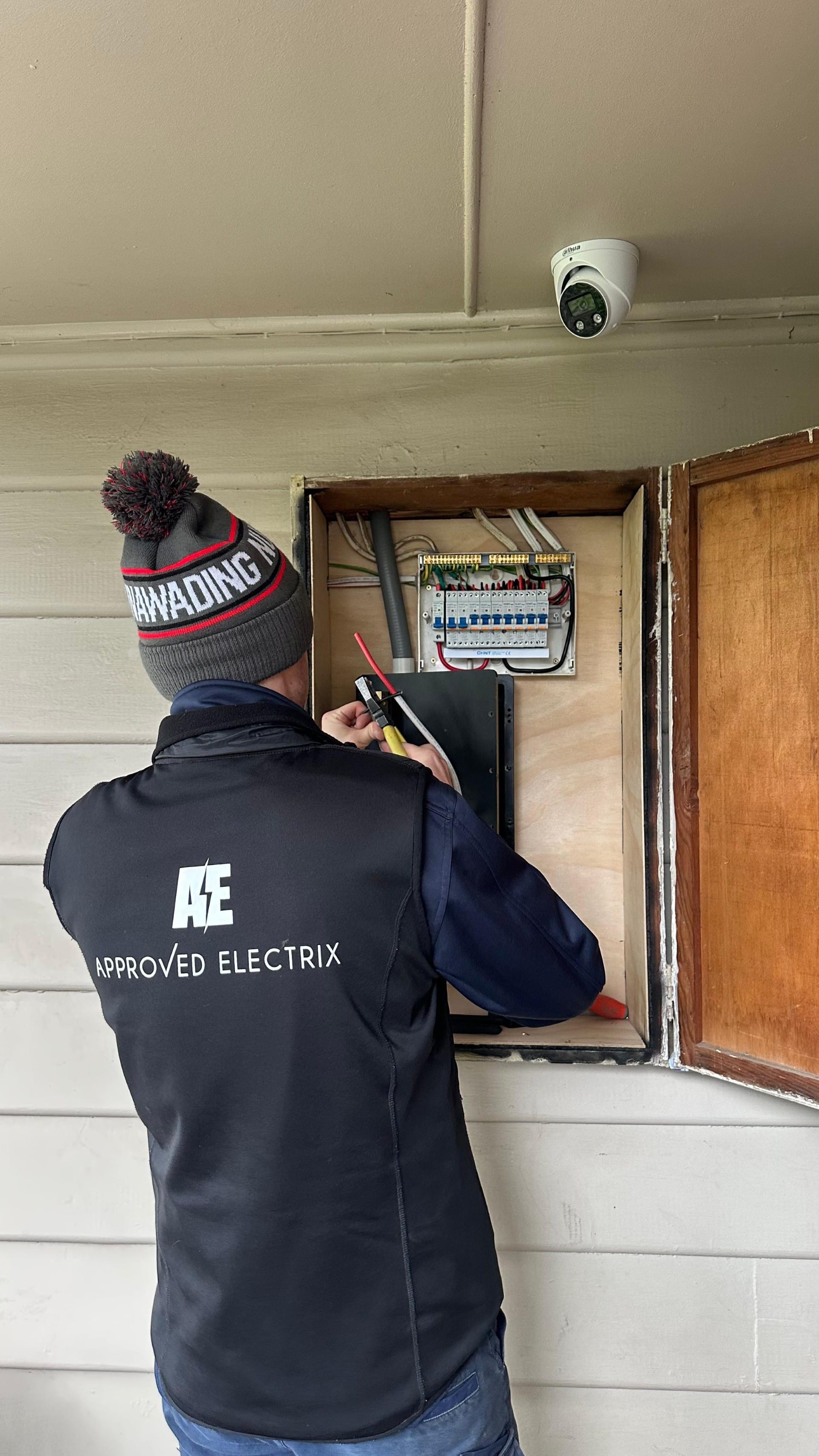
A safety switch that keeps tripping is not a mere annoyance, but a sign that something is wrong in your electrical system. Whether it’s a faulty appliance, old or damaged wiring, or the safety switch itself, every trip is your system’s way of protecting you from potential shock or fire.
While it’s fine to reset your switch once after a random trip here and there, repeated tripping means there is something more serious going on. Get a professional fault inspection, repair, or switchboard upgrade with a reliable, approved electrician so you can restore power safely and prevent future issues.
Contact our team at 03 8370 5737 today or get in touch via email to book any of our electrical services for your home and property, or to secure a no-obligation quote on your next electrical project.
