
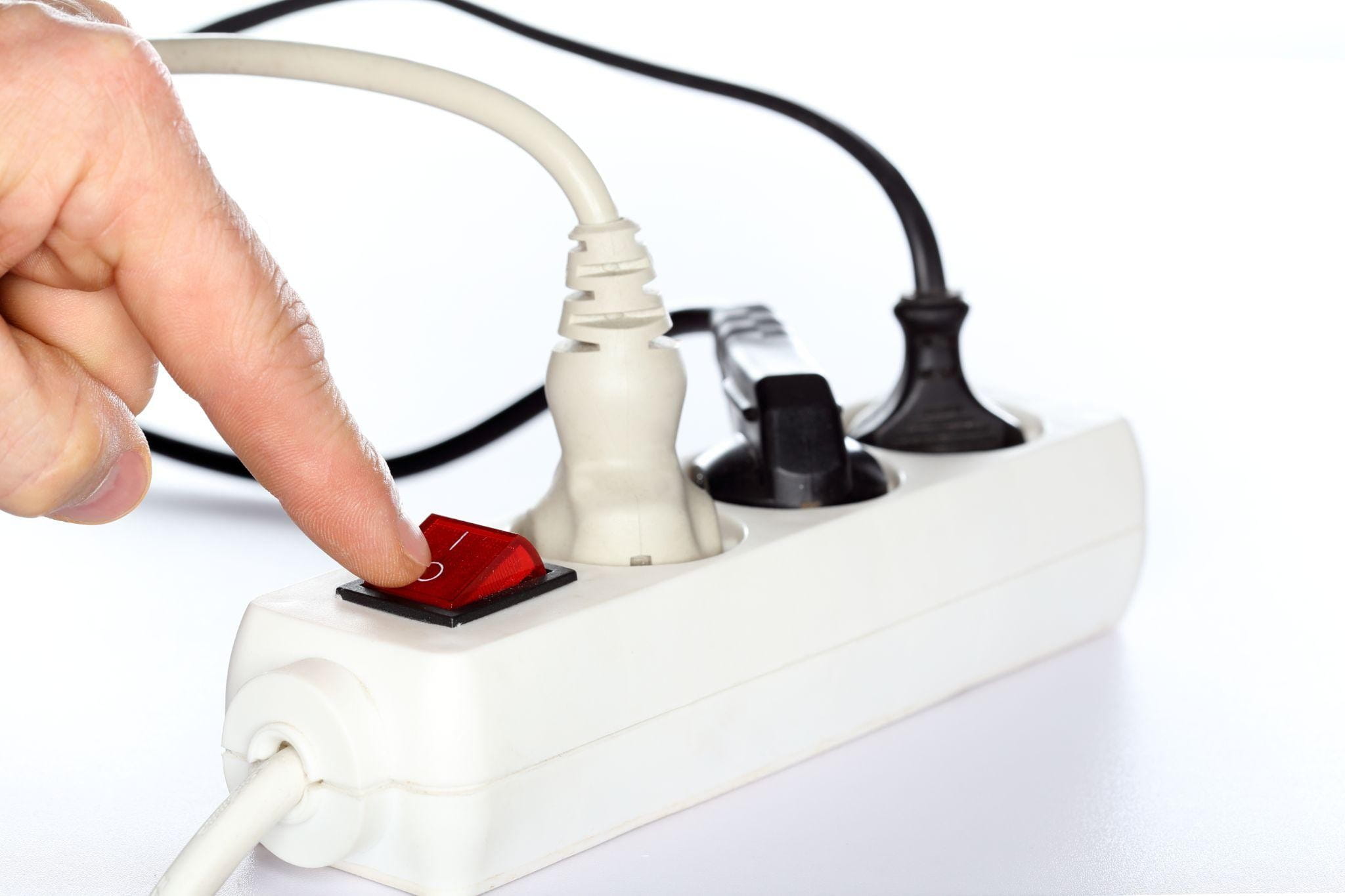
Does turning off power points save electricity, or is it just one of those myths people swear by? It’s a question many Australian households ask, especially as energy costs continue to rise and every bit of savings counts.
The truth is, even when your appliances appear switched off, they may still be drawing power in the background. This hidden usage, known as standby power, can quietly add to your electricity bill without you realising it.
Before you start switching everything off at the wall, it’s worth understanding how standby power works, which devices use it, and when turning off your power points can make a real difference.
What Is Standby Power?
Standby power, also known as “phantom” or “vampire” power, is the electricity used by appliances when they’re not actively in use but are still plugged into their power points. In fact, many households don’t realise that standby power can account for up to 10% of their electricity bill.
Even when devices appear switched off, they may still draw power to keep indicator lights, clocks, and on-screen displays active. Standby power allows appliances to keep their internal systems running in the background, staying ready for remote control activation.
To an extent, standby power is unavoidable, especially as more and more home upgrades and appliances require continuous power to support wireless functionality.
Does Leaving Power Points On Use Electricity?
Does leaving power points on also use electricity? Well, this actually depends on what’s plugged in.
If a device is connected and capable of a standby mode, then yes, it can still draw power even when turned “off” at the wall.
If nothing is plugged in, then no electricity is used.
If something is plugged in, then it may draw standby power.
Devices like TVs, gaming consoles, microwaves, wall chargers, and some LED lights are often the biggest culprits, accounting for most of the electricity consumed in standby mode.
Small Usage, Big Impact: Why Standby Power Can Add Up
Individually, standby power might only use a few watts per device. But multiply that across dozens of appliances running all day, every day… and the numbers start to climb.
Older devices, in particular, can use significantly more standby power than newer energy-efficient models.
Common Appliances That Use Standby Power
Many of today’s technologies cannot function without drawing on some minimum amount of power at all times. Here are some of the most common appliances that use standby power even when turned off at the switch.
- TVs and entertainment systems
- Computers and monitors
- Microwaves with screen displays
- Alarm clocks
- Internet modems and routers
- Phone and laptop chargers
- Smart home devices
While some of these appliances may be rated as energy-efficient, they will still draw on standby power.
When Turning Off Power Points Makes the Most Difference
Reducing standby power doesn’t mean constantly unplugging everything. A few simple changes can make a real difference.
Turn Off at the Power Point When…
Not all appliances behave the same way. Some use standby power, while others don’t.
Understanding which appliances should be turned off at the source will help you target the biggest energy drains without overthinking every switch. Turn off the power at the power point when:
- Devices have lights, clocks, or displays
- Equipment uses a remote control
- Chargers are left plugged in
- Devices stay connected to WiFi
Appliances that are purely mechanical, like basic lamps or kettles, do not draw on power when not in use. These devices fully disconnect internally when switched off and are of less concern overall.
Smart Ways to Reduce Standby Power
These small habits can significantly help reduce your home’s overall energy use.
- Switch off unused power points at the wall
- Use power boards with master switches
- Upgrade to energy-efficient appliances
- Unplug chargers when not in use
- Group devices to turn off multiple items at once
When Standby Power Becomes A Real Problem
If you suspect your standby power is a major issue, even after changing your habits, then you may require a switchboard upgrade or a house rewiring.
If you’ve already changed your habits and your energy bills still seem unusually high, standby power may be pointing to a bigger underlying issue. In some cases, it’s not just about what’s plugged into your power points but how your home’s electrical system is set up.
Older properties, in particular, may have outdated wiring or inefficient switchboards that aren’t designed to handle modern energy demands. This can lead to unnecessary energy loss, limited control over circuits, and difficulty isolating which areas of your home are drawing power.
If standby power usage feels excessive or hard to manage, it may be worth considering a professional assessment. A switchboard upgrade or partial house rewiring can improve efficiency, enhance safety, and give you better control over how electricity is distributed throughout your home.
Working with a licensed electrician ensures any upgrades are done safely and in line with current standards, helping you reduce energy waste while future-proofing your property.
Small Changes, Real Savings
So, does turning off power points save electricity? Technically, yes, it can! And while the savings per device may be small, the combined impact across your home can be significant.
Standby power is one of the easiest areas to optimise around your home. By understanding how it works and taking simple steps to reduce it, you can lower your energy bills without sacrificing convenience.
If you’re looking to upgrade your system setup or improve energy efficiency, working with a licensed electrician ensures your home is safe, modern, and built for smarter energy use.
Get in touch with us today at Approved Electrix and take control of your home electricity today!
