
It’s easy to forget about your hot water system – until it starts causing problems. Most of us don’t give it a second thought, but older units can quietly chew through electricity, pushing up your power bills without warning. If you’ve noticed rising costs or inconsistent water temperatures, your hot water system could be the hidden culprit.
As one of the biggest sources of energy use in Australian homes, a hot water system that’s past its prime can become a real drain – on your wallet and your efficiency. Whether it’s slow to heat, leaking, or just not running like it used to, small issues can signal larger problems bubbling beneath the surface.
That’s where plumbing and electrical work come together. Replacing or upgrading your hot water unit isn’t always a one-tradie job. You’ll need the right plumbing support to disconnect and install the system – and a licensed electrician to manage any wiring or switchboard upgrades required for modern, energy-efficient models.

This guide breaks down the signs your current system is underperforming, how it could be increasing your energy use, and what to consider before making the switch.
Why Your Hot Water System Matters
Hot water systems account for a large chunk of your home’s energy use – often second only to heating and cooling. Between showers, dishwashing, laundry, and handwashing, it’s one of the most-used appliances in your home, running in the background every day without much thought.
That constant use adds up. A system that isn’t operating efficiently will draw more power to deliver the same result, making it one of the easiest ways for energy bills to creep up over time. Even if the unit still “works,” it may be working harder than it should – using more electricity, running longer heating cycles, or struggling to maintain temperature.
Older models, especially those installed over a decade ago, often lack the energy-saving features found in newer systems. They’re also more prone to sediment build-up and corrosion, which only makes them less efficient.
The bottom line? If your unit is ageing or showing signs of wear, it could be draining more than just water – it could be emptying your budget too.
Common Signs Your System Is Costing You More
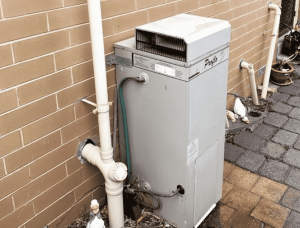
Hot water systems rarely stop working without warning. They usually give off a few early signals that something isn’t right. Catching these signs early can help you avoid a full breakdown – and save on power while you’re at it.
1. Inconsistent or Lukewarm Water
If your shower suddenly runs cold, it could mean the thermostat or heating element is wearing out. These parts control water temperature – when they fail, your system works overtime.
2. Rising Energy Bills
Seen a spike in your power bill, even though your household habits haven’t changed? An ageing hot water system could be the reason. As parts wear out or become less responsive, the system works harder and runs longer to deliver the same amount of hot water. That extra load draws more power and pushes your bill higher.
3. Discoloured or Smelly Water
Rusty or smelly water coming from your taps? That’s often a sign of sediment or corrosion inside the tank. Over time, minerals in the water settle at the bottom and build up, especially in older systems. This not only affects water quality – it can make the unit less efficient by insulating the heating element and forcing it to work harder.
4. Banging or Gurgling Noises
A healthy hot water system should run quietly. If you hear popping, banging, or gurgling, it’s usually the sound of trapped air bubbles or water moving through sediment build-up. These noises can point to internal pressure problems or poor circulation, which often lead to higher energy consumption and unnecessary strain on the system.
5. Visible Leaks or Water Pooling
Even a small leak around your hot water unit is a red flag. Pooling water or visible corrosion can mean the tank is failing – or that fittings are under pressure and starting to break down. Leaks not only waste water, they signal that the system is reaching the end of its life and becoming unsafe or inefficient to run.
How Old Systems Increase Electrical Load
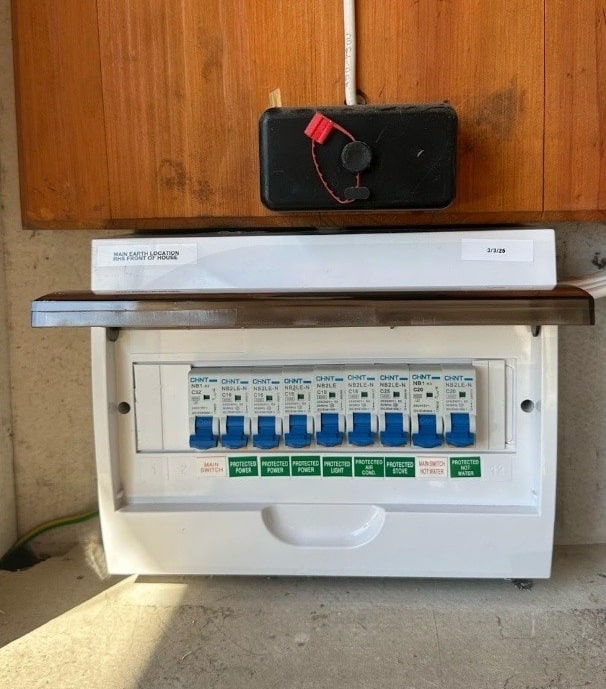
As hot water systems age, their internal components lose performance. Heating elements wear down, thermostats misread temperatures, and sediment builds up at the base of the tank. These issues might not stop your system from working altogether, but they force it to work harder to maintain heat. That increased workload means longer heating cycles and more frequent activation – both of which drive up your electricity usage.
Older units also lack the insulation and smart features of modern models. While a newer system can hold heat with minimal input, outdated ones constantly switch on and off, even when no hot water is being used.
Today’s systems are built to run smarter. Heat pump and solar options use far less electricity while still delivering the same result. Many are also designed to run during off-peak times, helping reduce your bill even further.
When It’s Time to Consider an Upgrade
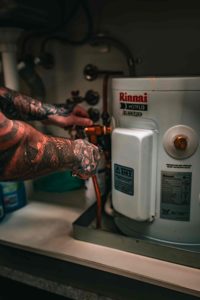
Upgrading is one of the fastest ways to cut your power bill without changing your day-to-day habits. Most hot water systems last between 8 and 12 years. After 10, wear and tear usually starts to show – especially without regular servicing. Efficiency drops, parts fail, and the chance of breakdown increases.
Newer models may cost more upfront, but they usually pay for themselves in savings over time. Better insulation, smarter controls, and lower standby use all help reduce running costs. Some systems are even eligible for government rebates.
If your system is ageing or underperforming, replacing it early can save money, and avoid the hassle of an emergency call-out.
Choosing the Right System: Plumbing and Electrical Considerations
Upgrading your hot water system is a chance to choose one that better suits your household needs and energy goals. There’s no one-size-fits-all, so it pays to know your options:
- Electric Storage Systems: A familiar option that heats and stores water in a tank. These systems are simple but less efficient than newer alternatives.
- Heat Pump Systems: Use ambient air to heat water, significantly reducing energy use. Best suited to warmer climates.
- Solar Hot Water Systems: Capture energy from the sun and work well when paired with electric or gas boosters.
- Instant or Continuous Flow Systems: Heat water on demand, which can help reduce running costs and take up less space.
Each system has its pros and cons, but the installation requirements can vary too. That’s where the right trades come in.
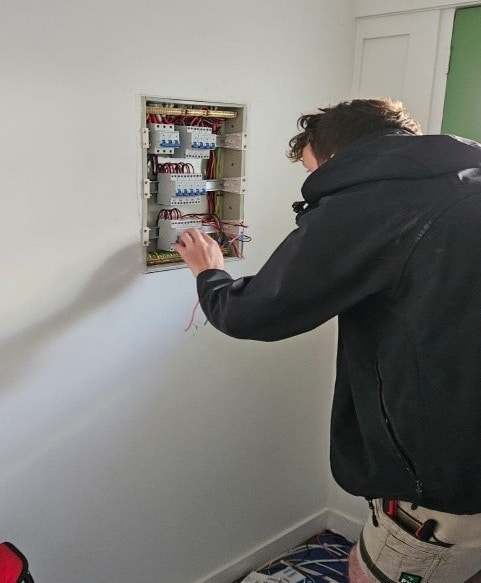
A licensed plumber is needed to install the unit and manage water connections. If the system involves added power load or a switchboard upgrade, you’ll also need a licensed electrician.
Don’t Wait Until It Fails
Hot water systems rarely fail at a good time.
Acting early puts you in control. You can compare systems, organise proper installation, and avoid the hassle and cost of an emergency replacement.
Getting a professional assessment is the best way to know where your system stands. A licensed hot water plumber can inspect your system and help you decide whether a repair or upgrade makes sense. If electrical work is needed, they’ll coordinate with a trusted sparkie to keep things simple.
Upgrading before your system fails saves money, reduces stress, and keeps the hot water running without interruption.
Take Control of Your Energy Costs
Noticed lukewarm showers, rising bills, or strange sounds coming from your system? Don’t ignore the signs.
Now’s the time to take control of your running costs. Don’t wait for a cold shower to tell you something’s wrong. Upgrade early, upgrade wisely, and enjoy long-term savings with a system that actually works for your household.
Need help with the electrical side? Reach out to the team at Approved Electrix for expert support with power upgrades, circuit checks, and energy-efficient solutions.
