
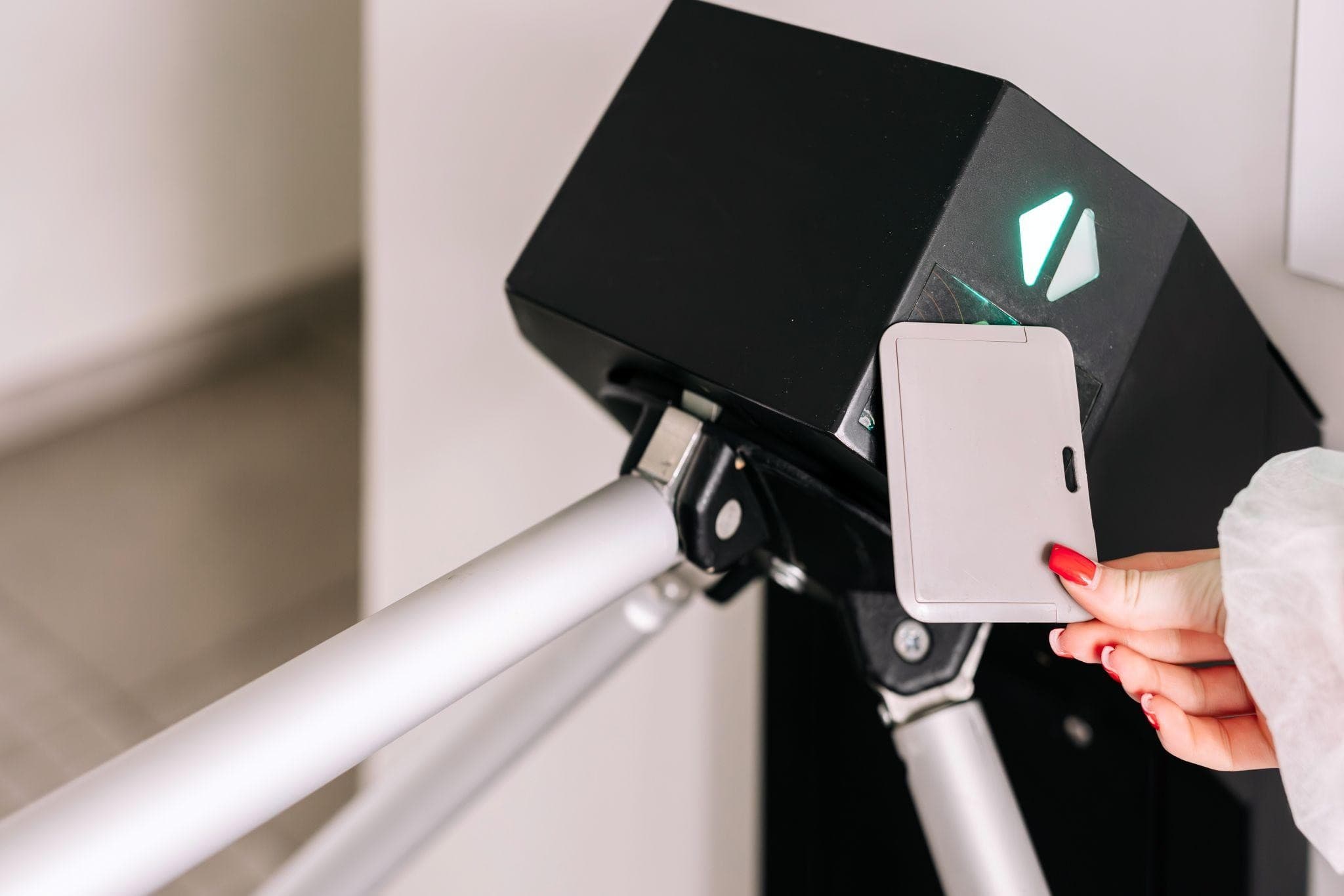
Pedestrian access control systems, such as turnstiles, gates, card readers, and biometric scanners, play a crucial role in maintaining the safety, security, and flow of people within residential and commercial buildings. These systems help control who enters or exits restricted areas, safeguard private property, and ensure compliance with local safety standards. They can even be installed in conjunction with vehicle detection systems, allowing greater control of access in and out of car parks.
However, even the most advanced access control technology requires consistent maintenance to keep performing at its best. Neglecting regular inspections and repairs can lead to costly downtime, malfunctions, and potential security or compliance risks.
In this guide, we’ll break down the most common issues affecting pedestrian access control systems, outline essential maintenance tasks, and explain how routine servicing by our licensed professionals at Approved Electrix can extend system lifespan, reduce breakdown costs, and keep your property fully compliant.
Common Issues with Pedestrian Access Control Systems
Like any security system device, pedestrian access control systems can experience occasional issues, both mechanical and electrical. Here are some common issues buildings may experience with their pedestrian access control systems.
Worn Mechanical Parts
The mechanical parts of pedestrian access control systems can start to wear down due to frequent use. Motors can start to slow down and the hinges of arms and guardrails can wear against each other. Rust and damage from rain and other elements can also lead to mechanical complications for pedestrian access control systems.
Sensor Misalignment
Many pedestrian access control systems operate with sensors and biometric readers to keep access secure and restricted. Over time, infrared sensors and biometric readers may become misaligned or get damaged. If a pedestrian access control system’s sensors start to fail then the mechanism will not operate reliably when needed most.
Electrical Issues and Software or Firmware Glitches
Pedestrian access control systems can also face recurring electrical issues. These can be exacerbated due to moisture and other mechanical damage. These systems can also be affected by digital problems impacted by power supply or wiring faults. The computers in pedestrian access control systems can also experience software and firmware glitches on occasion, requiring technical fixes and maintenance. Here, electrical fault finding services can aid in addressing any electrical issues before they turn into more dangerous and/or costly risks.
Essential Maintenance Tasks for Pedestrian Access Control Systems
If you use a pedestrian access control system in your residential property or commercial building, then you likely know how important it is to perform regular maintenance to ensure it operates efficiently and reliably. There are some tasks that can be done on your own regularly without immediate aid from an electrician.
Here is a pedestrian access maintenance checklist with some essential maintenance tasks that building managers or security details can perform to protect the lifespan of their pedestrian access control system.
Cleaning and Lubrication of Moving Parts
Pedestrian access control systems are made up of many moving parts, like rails, hinges, and doors. To make sure these parts are all working together as they should, they ought to be regularly cleaned of dust and debris to prevent obstructions. Regular lubrication of hinges and metal-on-metal parts will protect them from rusting and grinding down, ensuring your pedestrian access control system doesn’t see an early expiration date.
Firmware and Software Updates for Security
If your pedestrian access control system uses a computer or digital operating system, then you will need to perform regular updates to keep its firmware and software secure and up to date. Card readers, car park signals, and features like facial or number plate recognition technology may start to fail if these digital systems are out of date.
If your system’s mechanical functions are controlled by the computer software, then staying on top of regular system updates and requirements will help ensure your devices continue to work in harmony with each other.
Sensor Calibration to Ensure Accuracy
Sometimes an access control system’s sensors can get uncalibrated and result in occasional errors. It is normal for this to happen now and then as people come and go, so it is important to remain vigilant about sensor calibration for optimal security and safety. Be sure to regularly check that your sensors are getting a full view with plenty of overhead light as needed and are reporting accurately.
Testing Access Logs and Reporting for Compliance
Make sure your pedestrian access control systems are recording information and reporting correctly. Test your access logs frequently and make sure your reporting lines are compliant with local rules. If you aren’t effectively keeping track of who comes through when, then your pedestrian access control systems are not doing you much good!
Checking Emergency Override Functions and Fire Safety Compliance
If your pedestrian access control system is built with alarms or connected to your other emergency systems and control measures, then these should all be tested together regularly. Alarms should be operational and audible, and emergency lighting should flash as intended. Get them tested along with your smoke alarms to ensure that all your building’s emergency functions and protocols are up to code and compliant with fire safety regulations.
Benefits of Regular Maintenance for Pedestrian Access Control Systems
The benefits of regular pedestrian access control system maintenance outweigh the cons, since they project both your investment in your machines and your building’s security. The benefits of regular maintenance can include:
- Longer system lifespan
- Reduced breakdown costs
- Compliance with security standards
- Safer and smoother pedestrian flow
When you perform regular maintenance on your pedestrian access control system then you’re saving both money and time in the long run as well as potential lives by deterring preventable security breaks.
Maintenance Frequency: How Often Should Access Control Systems Be Serviced?
Regular access control system maintenance is essential to keep properties secure and people safe. We recommend routine monthly visual inspections to ensure systems in standard residential buildings are working securely and reliably.
Quarterly servicing is recommended for high-traffic buildings, like skyrise residences, body corporates, and commercial buildings. Commercial and strata buildings in Melbourne may require annual compliance checks per state regulations, and these may require a professional service for sign off. Be sure to partner with electricians who specialise in strata building electrical services to ensure all electrical works are fully compliant with all relevant VBA building codes.
DIY Checks vs. Professional Servicing
We’ve gone over some of the regular essential maintenance practices for a pedestrian access control system. Many of them can be performed by most building managers or approved people, like visual inspections, cleaning, and operational and safety checks. But any electrical or technical concerns should be left for a professional commercial electrician.
Only a licensed professional can safely perform the necessary wiring repairs and system integrations a control system may require without compromising other areas of the building. Your pedestrian access control system should be installed by local licensed residential electricians, so call us for more complex maintenance tasks needed to keep your pedestrian access control system working like normal.
Call us today for a free quote on access control service in Melbourne!
Signs Your System Needs Immediate Attention
Regular maintenance and inspections are great ways to keep your pedestrian access control system working for years to come. Many issues can be addressed in a timely manner with minimal disruption in a building. Although, sometimes immediate action may be required.
Here are some scenarios requiring fixes ASAP:
- Slow or unresponsive gates, doors, or turnstiles
- Frequent access errors or lockouts
- False alarms or recurring error messages
- Increased complaints from users
If you are experiencing any of these issues, then consider calling an emergency electrician to keep your building and occupants safe and secure.
Choose Approved Electrix for Professional Pedestrian Access Control Installation & Maintenance
Working with our licensed electricians at Approved Electrix will always be the best option for routine security access and pedestrian gate maintenance. Local electricians like Approved Electrix possess the expertise needed to help support commercial and strata buildings across Melbourne. It is important to rely upon transparent service providers who are flexible, timely, and offer lifetime workmanship guarantees.
Proactive maintenance will ultimately help with saving money on costs, reinforcing safety protocols, and upholding compliance throughout your property. Book a maintenance check for your access control service in Melbourne or contacting Approved Electrix for a tailored plan.
Contact Approved Electrix for quality electrical building maintenance and pedestrian access control systems repairs today!
