
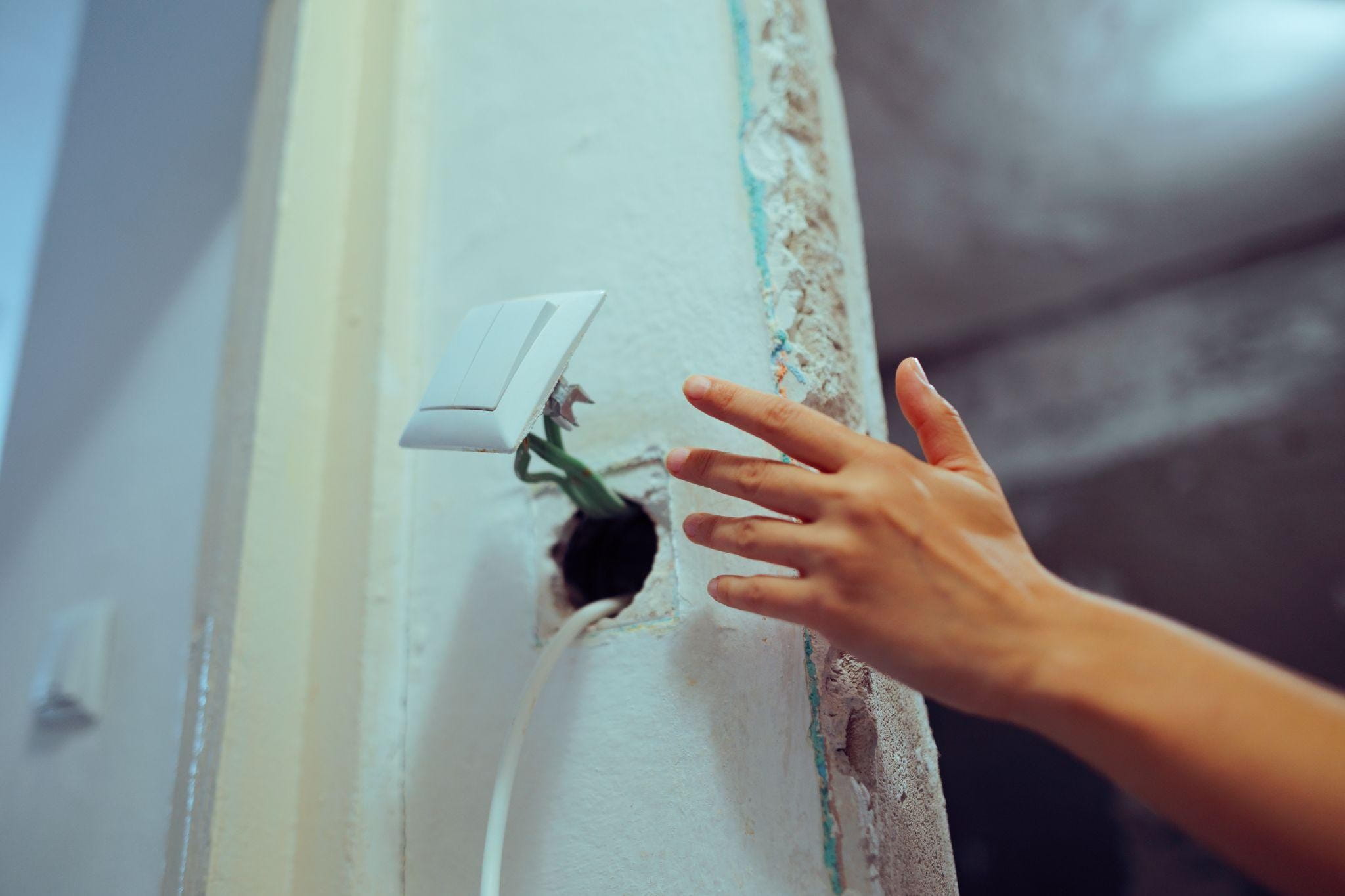
One of the joys of owning your own home is the liberty to make any repairs or modifications you desire. Putting a new layer of paint on your walls, changing your doorknob, even small plumbing tasks — all these tasks and more are open to any homeowner’s discretion. Your home is your castle, and you can do whatever you want whenever you want…
But then there’s electrical work.
It doesn’t take being a genius to understand that electrical housework is a bit more complicated than unclogging a toilet. Electrical work carries real unseen dangers, strict legal boundaries, and severe consequences that most DIYers might underestimate.
Knowing what electrical tasks you should never attempt at home on your own will not only protect your home and your wallet but also your life.
The Legal Reality of Electrical Work in Australia
Here in Australia, electrical work is not just risky but also heavily regulated. Only licensed electricians are legally permitted to perform most electrical jobs in homes.
State government bodies like Energy Safe Victoria regulate and advise how property owners work with professional electricians, all while adhering to national standards and compliance measures set by groups like the Electrical Regulatory Authorities Council.
While this all may pose an inconvenience to some homeowners, none of it is arbitrary. These rules protect the safety of both residents and electricians.
Why DIY Electrical Work Is More Dangerous Than You Think
Electrical systems are complex and often deceptive, and electrocution is not something to take lightly. Here are some reasons why DIY electrical work is far more dangerous than you might think.
Electricity is unforgiving
Even experienced electricians train for years to manage live circuits safely. The smallest mistakes can cause electric shock, burns, or electrocution.
Hidden hazards
Many electrical faults and hazards are not obvious until it’s too late. A connection that “looks alright” today can overheat, arc, or ignite weeks later with no visible sign of danger.
Fire risk escalates quickly
The risk of fire rises with faulty wiring or overloaded circuits, mistakes that can originate from a small DIY attempt. Amateur work or attempts at repair can often cause more damage than good.
Insurance implications
Many policies will not cover damage caused by unlicensed electrical work, meaning DIY jobs can leave homeowners completely liable for losses. The risk rarely ever outweighs the rewards when it comes to electrical work.
Common Electrical Tasks You Should Never Attempt Yourself
To avoid any confusion, here is a list of some common household electrical jobs that should only ever be performed by a professional electrician. If you are unsure if you need an electrician, then feel free to call us for expert advice.
Installing or Replacing Power Points
Replacing a power point or a light switch may look simple, but it involves far more than matching wire colours. Proper installation requires correct polarity, secure earth connections, and compliance with spacing and safety regulations.
Incorrectly wired power points can result in exposed live parts, reverse polarity, or ineffective earthing, all of which significantly increase the risk of electric shock and sparks. Even small mistakes can make an outlet unsafe for everyday use, particularly in homes with children or older wiring.
Fixed Lighting and Hard-Wired Appliances
Any appliances or light fixtures that are hard-wired into your electrical system and not simply plugged into a wall socket must be installed by a licensed electrician. This includes:
- Down lights and pendant lights
- Induction cooktops and new ovens
- New rangehoods and replacements
- Exhaust fans and ceiling fans
- Ducted and split system air conditioning systems
DIY installations often lead to overheating, circuit failure, or repeated tripping, all signs of a much deeper problem. Without professional testing and certification, there is no guarantee the circuit can safely handle the appliance over time.
Switchboard and Circuit Breaker Work
Electrical switchboards are the heart of your home’s electrical system and should never be opened or modified by an unqualified person. Inside, live components remain energised even when individual circuits have been switched off.
Modern switchboards must meet current safety standards, and any work performed inside them must be tested and documented by a licensed electrician.
Electrical Work in Wet or Outdoor Areas
Electrical work in bathrooms, laundries, kitchens, garages, and outdoor spaces carries heightened risk due to moisture exposure. Water significantly increases the likelihood of electric shock and requires specialised safety measures, including correct IP-rated fittings and compliant clearances.
Outdoor circuits must also be protected against weather, pests, and mechanical damage. This means that work like bathroom heat lamp installation, outdoor lighting, and patio heater installation should not be done DIY since it will likely be non-compliant and unsafe.
What Electrical Tasks Are Actually Safe for Homeowners?
While most electrical work must be left to professionals, there are a few tasks homeowners can safely manage themselves. These include changing light bulbs, plugging appliances into existing outlets, resetting tripped circuit breakers, and replacing batteries in smoke alarms.
The key difference is that these tasks do not involve altering any wiring, circuits, or electrical infrastructure. As soon as tools, cables, or fixed connections are involved, the job should be handled by a licensed electrician.
Rule of thumb: If the job requires you to break through a wall, then call an electrician!
Hiring a Licensed Electrician Is Always Worth It
Hiring a licensed electrician is not simply a matter of following compliance, but peace of mind! Professional electricians bring years of training, experience, and specialised equipment to every job, allowing them to diagnose issues accurately and fix them safely with the utmost care and consideration.
Most importantly, professional electrical work reduces long-term risk. Rather than masking problems or introducing hidden faults, electricians identify underlying issues and ensure systems are safe, efficient, and built to last. The best thing you can do for yourself and your home is work with a locally based licensed electrician.
Our team of licensed electricians ensures all work meets Australian standards and provides compliance certificates that protect homeowners legally and financially. Our work also preserves insurance coverage and appliance warranties, which can be voided by unlicensed modifications.
Get a quote from Approved Electrix today!
Protect your home, your family, and your investment! Speak with our licensed electricians at Approved Electrix to ensure your next household electrical job is completed safely and to Australian standards.
