
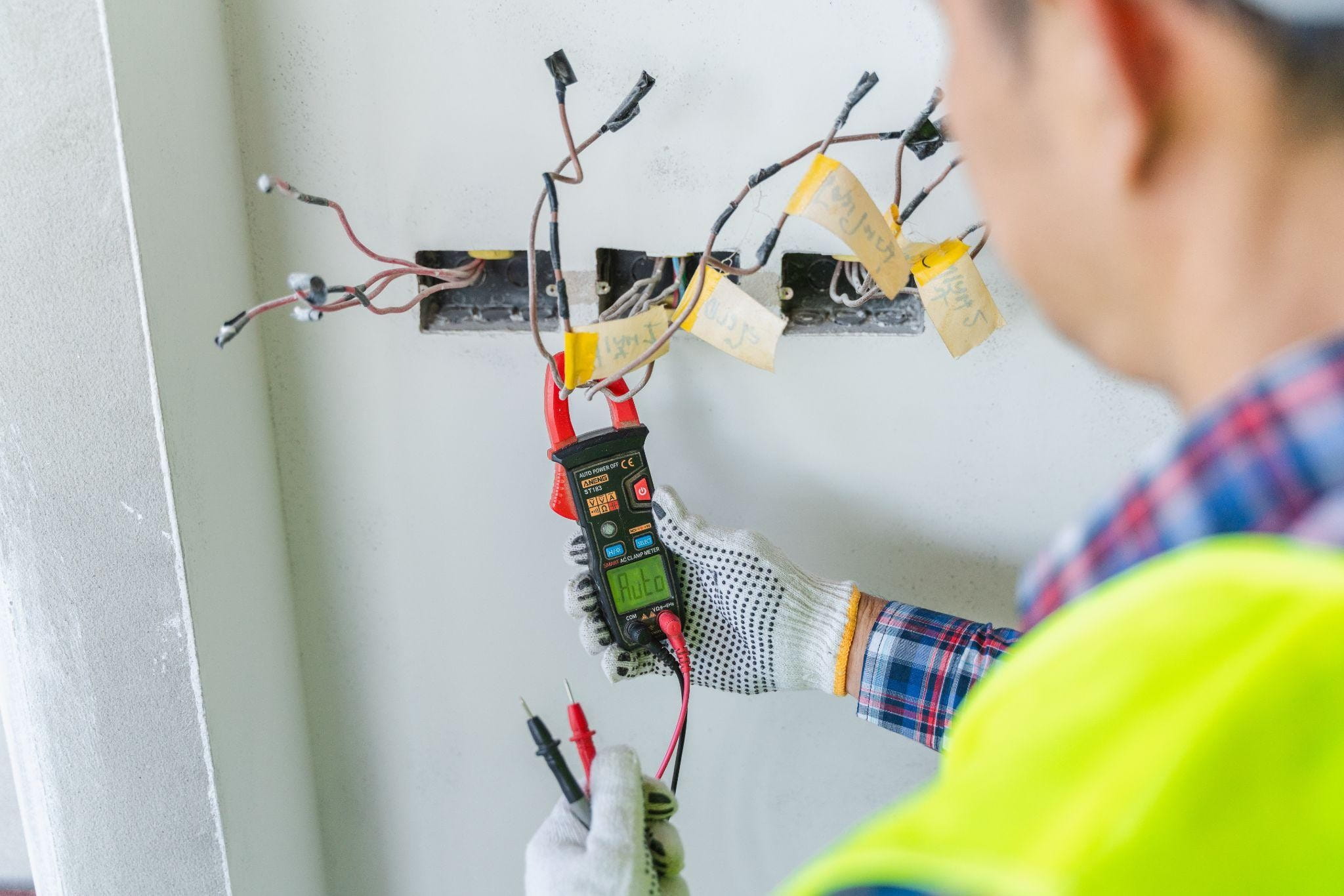
Electrical wiring is one of the most important overlooked systems in any home. It sits quietly behind walls and ceilings, powering everything from lighting and appliances to security systems and home offices.
But as homes age and electrical demands increase, outdated wiring can quickly become a safety risk. That is why house rewiring compliance matters, particularly AS/NZS 3000 standards.
Without compliance with AS/NZS 3000, your home may be exposed to fire hazards, electric shock risks, overloaded circuits, and potential insurance complications. Understanding what AS/NZS 3000 requires, why it matters, and how to ensure your rewiring project meets legal and safety standards is essential for every homeowner planning on upgrading or rewiring their property.
In this guide, we break down the key requirements of AS/NZS 3000 along with common mistakes to avoid and the steps you can take to ensure your home is rewired safely and legally and for modern living.
What is AS/NZS 3000?
The AS/NZS 3000 standard, commonly known as the Wiring Rules Australia, sets out the electrical regulations for installations across Australia and New Zealand. It defines how electrical systems must be designed, installed, and tested to ensure that they are safe, reliable, and compliant.
At its core, AS/NZS 3000 exists to protect people and property from electrical hazards such as electric shock, fire, and equipment failure. It outlines strict requirements for wiring methods, earthing, circuit protection, and equipment selection, ensuring all electrical work meets nationally recognised safety benchmarks.
Why Compliance Matters for House Rewiring
When it comes to house rewiring safety, compliance with AS/NZS 3000 is not just a recommendation but a legal requirement.
Electrical compliance helps ensure your home’s wiring system is installed to meet strict rewiring regulations designed to protect both people and property. Without it, the risks are serious: non-compliant wiring can lead to electric shock, overheating cables, short circuits, and even fire hazards, many of which remain hidden behind walls until damage has already been done.
There are also legal implications to consider. Electrical work that does not meet required standards can result in code violations, failed inspections, and complications with insurance claims. In some cases, insurers may outright refuse coverage if a fire or electrical fault is traced back to non-compliant installations.
Compliant house rewiring improves overall safety, supports energy efficiency, and adds confidence when it comes time to sell by ensuring your system can handle modern electrical loads.
Key Requirements of AS/NZS 3000 for Home Rewiring
Rewiring a home requires far more than simply replacing old cables. It requires strict adherence to electrical installation rules that ensure safety, performance, and long-term reliability.
Here are some of the core areas every compliant rewiring project must address per AS/NZS 3000.
Circuit Design and Load Calculations
Every safe rewiring project starts with correct circuit design, and this includes accurate load calculations to ensure power points, cables, breakers, and circuits are properly sized for the appliances and electrical demand they will carry. Undersized wiring can overheat, trip constantly, or create serious fire risks.
Correct sizing ensures your system can safely handle modern electrical loads, both now and into the future.
Earthing and Bonding
Proper earthing and bonding are fundamental to safe rewiring practices and help lower the risk of electrocution. These systems work together to provide a safe path for fault currents, reducing the risk of electric shock and preventing damage during short circuits.
Without compliant earthing, even minor electrical faults can be dangerous.
Switchboards and Protective Devices
Modern switchboards must include the appropriate protective devices to meet wiring compliance checklist requirements. This typically includes professionally installed safety switches (RCDs) and circuit breakers.
These devices are designed to disconnect power quickly in the event of a fault, helping to prevent injury and minimise the risk of fire.
Wiring Methods and Materials
Not all cables and installation methods are acceptable under current standards. AS/NZS 3000 specifies approved cable types, conduit requirements, protection from mechanical damage, and correct installation practices.
Using compliant materials ensures durability, insulation integrity, and safe performance behind walls and ceilings.
Testing and Certification
House rewiring actually does not end once the cables are installed. Every compliant project must undergo routine maintenance, testing, and inspection to verify safety and performance.
Once complete, licensed electricians issue the required certification to confirm the work meets current electrical installation rules, providing formal assurance that your home’s electrical system is safe, compliant, and ready for use.
Common Mistakes Homeowners Make During Rewiring
House rewiring is not an area where shortcuts pay off, and yet many electrical compliance issues arise from avoidable rewiring mistakes.
One of the most common AS/NZS 3000 errors is attempting DIY rewiring. Unlicensed work not only creates serious safety risks but can also invalidate insurance and breach legal requirements.
Many older homes may still operate with outdated fuse systems that do not meet current safety expectations. Ignoring upgrades can significantly increase the risk of electric shock and fire.
Finally, failing to obtain a certificate of compliance is a critical mistake. When it comes to rewiring, compliance is not just paperwork; it is protection. Without formal testing and certification from a licensed electrician, there is no legal proof that the work done actually meets the AS/NZS 3000 requirements.
How to Ensure Your Home Rewiring is Compliant
AS/NZS 3000 compliance is not something you can guess your way through. It requires professional knowledge, correct installation, and proper testing.
Safe home rewiring starts with one smart decision: hire a licensed electrician Australian homeowners can rely on.
At Approved Electrix, we always provide a compliance certificate once an electrical job is complete. This certificate of electrical safety proves your rewiring meets current regulations, protecting you against risk insurance complications, failed inspections, issues at resale, and importantly, electrical emergencies.
Planning a rewiring project? Speak to our team of qualified electricians and make sure your home is upgraded safely, legally, and built to last.
Call us now to get a quote and explore your home electrical compliance options today!
