

While most of us know the basics (don’t stick a fork in a socket, and keep water away from power points), home electrical safety goes far beyond the obvious. In fact, the most common causes of electrical fires in Melbourne homes aren’t dramatic accidents, but everyday issues like frayed cords, overloaded outlets, and aging switchboards – things a qualified residential electrician spots straight away.
Creating a family electrical safety plan is one of the smartest ways to protect your loved ones. With the right habits, some simple home updates, and clear emergency steps, you can reduce the risk of shocks, fires, or power outages and feel confident your home is as safe as it should be.
Not sure where to start? Contact Approved Electrix for a no-obligation, free quote.
And for your peace of mind, here’s a practical, easy-to-follow guide to building a safety plan that protects your whole family.
Table Of Contents
- Why You Need a Family Electrical Safety Plan
- How to Create a Family Electrical Safety: Step-by-Step Guide
- Protect Your Family With an Expert Electrical Safety Plan
Why You Need a Family Electrical Safety Plan
When it comes to protecting your home, having a family electrical safety plan is just as important as locking your doors or having working smoke alarms. It’s not just about avoiding electric shocks – it’s about preventing power outages, reducing fire risks, and making sure everyone in the household knows what to do in an emergency.
In Melbourne, many homes (especially older ones) weren’t built to handle the electrical demands of modern life. From heaters in winter to air conditioning and appliances running around the clock, it’s easy for systems to become overloaded. Add in wild weather and aging switchboards, and the risks become even greater.
How to Create a Family Electrical Safety: Step-by-Step Guide
Electrical safety for families isn’t just a nice-to-have – it’s essential. Creating a home electrical safety plan helps you stay ahead of common hazards and gives you peace of mind that your family is protected, no matter what.
1. Identify Common Electrical Hazards in the Home
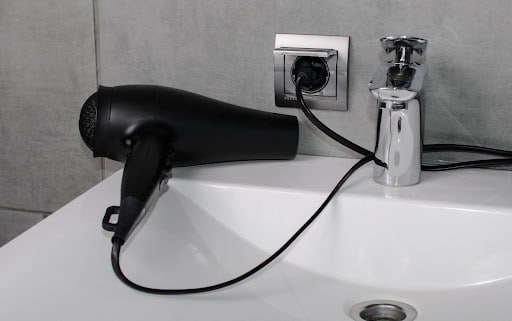
Outlets and Wet Areas: A Dangerous Combo
Bathrooms, kitchens and laundry areas rank high on the danger list when it comes to household electricity. A splash of water near a power point may not seem too risky, but if your home isn’t to the current standard, it could be a hazard. Understanding how wet area zones are classified is your first step to identifying if your power points are too close to taps, sinks or baths.
Overloaded Power Boards and Circuits
Plugging multiple appliances into a single power point can overload the circuit and your entire switchboard system, especially if your home has an older switchboard or lacks circuit protection.
If your switchboard is older and hasn’t been upgraded in a long time, then it might be time to have an expert look at whether your setup is coping.
Damaged Cords and Appliances
Covering up a frayed cable or a slightly dodgy appliance can seem harmless enough – until it becomes a bigger problem. Damaged cords can cause arcing, overheating or unsuspected electric shock. If you notice signs of damage, the best thing to do is unplug the appliance and get it repaired or replaced.
And if your home wiring is showing signs of age too, it might be time to think about a professional assessment.
Outdated Switchboards Without Safety Switches
Safety switches (also known as RCDs) will disconnect power within milliseconds in the event of a fault and could save lives. If your switchboard hasn’t been fitted with safety switches (or just one for the entire home), you are not as well protected as you could be.
A licensed electrician can install or test safety switches and make sure your switchboard complies with the latest standards.
2. Create a Family Electrical Emergency Response Plan

Teach Everyone What to Do in an Electrical Emergency
Time is of the essence when your electricity is misbehaving. In the event of an emergency, a pre-planned, well-communicated electrical response plan can help (particularly if you have young children or elderly relatives in the home).
Run through scenarios with your family – when to call triple zero, when to evacuate, and when to call your local emergency electrician.
Even the most basic of electrical emergency response plans will help everyone feel more empowered (and reduce the risk of injury or property damage).
Know Your Switchboard
In the case of a severe electrical emergency, turning off the power may prevent the situation from escalating. Ensure that every person in your home knows how to safely turn off the power at the mains, that your switchboard is updated as needed, and ensure that your updated switchboard is clearly labelled and known by all members of the family. Safety switches and circuit breakers should also be easily identifiable.
If you are not confident that your switchboard is in proper working order, or you have noticed flickering lights or tripped circuits, it may be time to organise a professional electrical fault finding service.
Save the number for your trusted Melbourne emergency electrician so you’re not scrambling when something goes wrong. Approved Electrix: 03 8370 5737 – We’re here when you need us.
3. Invest in Childproofing and Electrical Safety Education for Kids

Outlet Safety: Covers and Tamper-Resistant Devices
Power points are captivating to toddlers. So, it’s on top of the things you need to childproof when moving into a new place. Outlet covers or tamper-resistant power points are inexpensive, easy to install, and drastically decrease risk. This minor upgrade to your home serves as a physical barrier, as well as preventing an accident before it occurs.
Cord Management: Tidy and Secure
Loose cords and cables make for tripping hazards (and tempting toys). Tucking them away, strapping them down, or using cord shorteners will keep them out of reach and out of sight. Doing this can also protect them from damage that could lead to fraying or faults down the track.
Talk About Electrical Safety Early and Often
You don’t need to teach your kids the laws of electricity. Just simple rules they can easily remember. Like making sure they don’t use appliances with wet hands, don’t stick their fingers into power points, or ask for help if something looks faulty.
By mentioning electrical safety during everyday moments and modelling appropriate behaviour, you’ll help them form lifelong habits without instilling fear.
4. Learn How to Safely Use Everyday Electrical Appliances
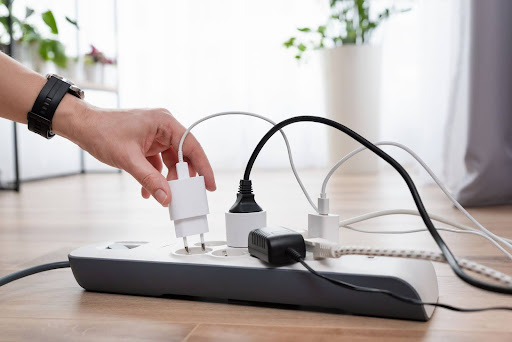
Electrical Safety Tips for Common Items
Your home electrical safety plan isn’t complete without knowing how to use everyday appliances safely. These devices make life easier, but they can also be hidden sources of danger if not handled properly. It’s easy to forget these items generate heat and draw power constantly, so always keep them on stable surfaces, away from curtains, towels, or anything flammable.
If you’re using portable heaters, don’t leave them running unattended or too close to furniture. For kitchen appliances, make sure cords don’t dangle over counters where kids could pull them down.
Avoiding Daisy-Chaining Power Boards
It might seem convenient to plug multiple power boards into one another to get extra sockets, but this “daisy-chaining” is a serious fire hazard. A better approach is to spread out your appliance use across different outlets or invest in a high-quality power board with built-in overload protection. If you find yourself regularly needing more sockets, it could be a sign to ask a licensed electrician about adding more outlets safely.
Unplug Appliances When Not in Use
Even when turned off, many appliances still draw power (known as “phantom load”), which wastes energy and can contribute to overheating, especially if cords are damaged or tangled. Getting into the habit of unplugging things like phone chargers, TVs, or kitchen gadgets when you’re done with them not only saves electricity but also lowers the risk of faults or fires.
5. Conduct Maintenance and Regular Electrical Safety Checks
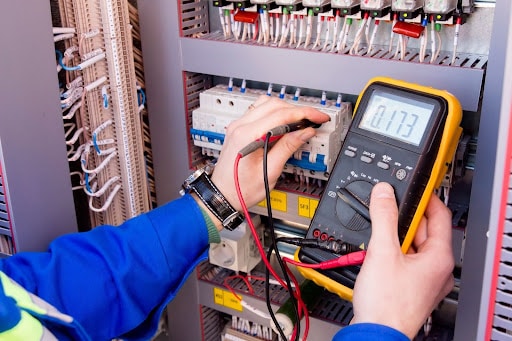
Book Regular Electrical Safety Inspections with a Licensed Melbourne Electrician
Make a point of regularly scheduling maintenance checks with someone you trust. Expert electrical fault finding skills will be used by a qualified electrician to uncover signs of wear, damage or components that have been around too long and are not necessarily visible to the average homeowner. Identifying a problem early will result in much easier, less expensive and ultimately safer repairs for your family.
Test Your RCDs and Safety Switches
RCDs are designed to save lives by disconnecting the power to your home at the first sign of dangerous faults. However, just like smoke alarms, they need to be tested regularly to make sure they’re working properly. Generally every three to six months is a good idea and can be easily done by pushing the “test” button on the RCD itself.
If you’re not confident you can do this safely or want to make sure the rest of your system is up to scratch then professional RCD testing for home safety is a good idea.
Check and Maintain Smoke Alarms
Smoke alarms, while not electrical in the traditional sense, are another important line of defence for your family. Regular testing and battery changes are also an easy way to protect lives. An easy way to remember is to make the time coincide with daylight saving start or end dates (a biannual reminder that’s hard to forget).
6. Learn How to Prevent Electrical Fires at Home
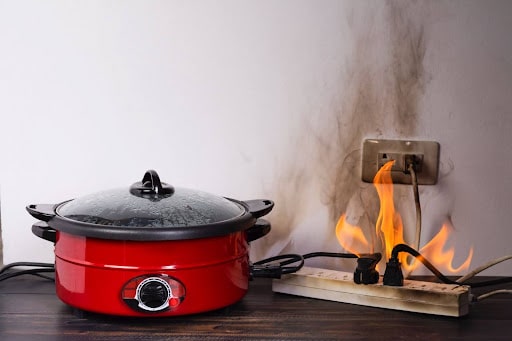
Warning Signs to Watch For
If you ever notice a strange burning smell, a buzzing noise coming from an outlet, or if your power points feel warm to the touch, these are red flags that something isn’t right. Ignoring these signs can put your home and family at serious risk.
Don’t DIY Electrical Repairs
It might be tempting to fix a faulty socket or appliance yourself, but electrical repairs are complex and dangerous if you’re not trained. The best way to prevent electrical fires at home is to call in a licensed professional who knows exactly what to look for and how to fix it safely.
Protect Your Family With an Expert Electrical Safety Plan
Your home should be a place where your family feels safe and secure, and that includes when it comes to electricity. Taking these steps to develop your family’s electrical safety plan will not only help ensure that your electrical systems stay up-to-date and well-maintained, but will also work towards keeping your family safe from electrical risks.
If you’re ready to make sure your home is as safe as it can be, Approved Electrix is here to help. Whether you need installations, thorough inspections, or safety upgrades, our friendly, licensed electricians have your back every step of the way.
Get in touch with us today because peace of mind starts with a safe home.
