
When thinking about kitchen design, lighting can easily be one element that gets overlooked. Benchtops, cabinetry and appliances such as stovetops and range hoods usually steal the spotlight first, and for good reason!
But the truth is, good kitchen lighting is one of the most important elements in creating a space that is functional, safe, and enjoyable to spend time in. Lighting also plays a significant role in how your kitchen looks and feels, and can even influence property value.
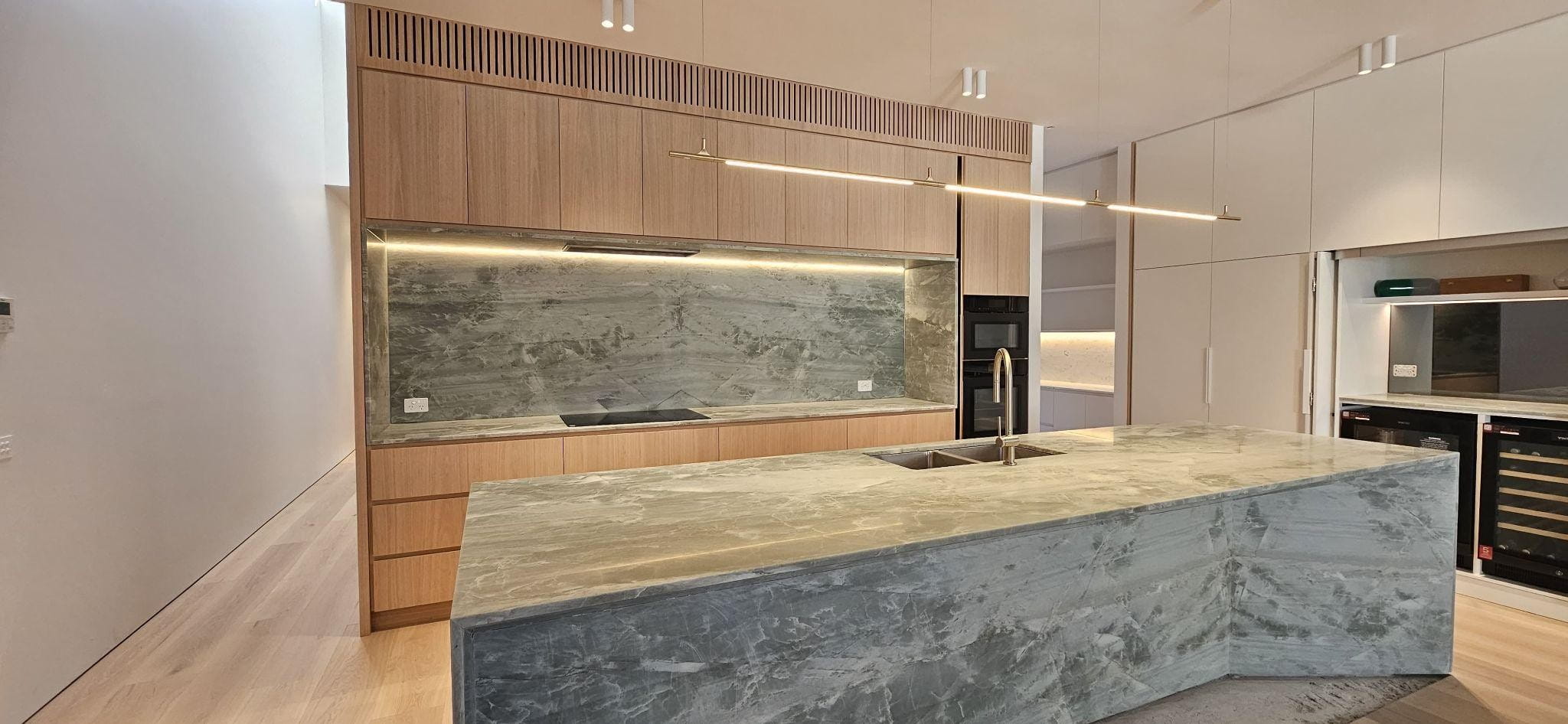
We recently finished a job out in Hampton, where our lighting upgrades completely changed not just the kitchen but the entire vibe of the house itself!
Full Renovation Completed in Hampton
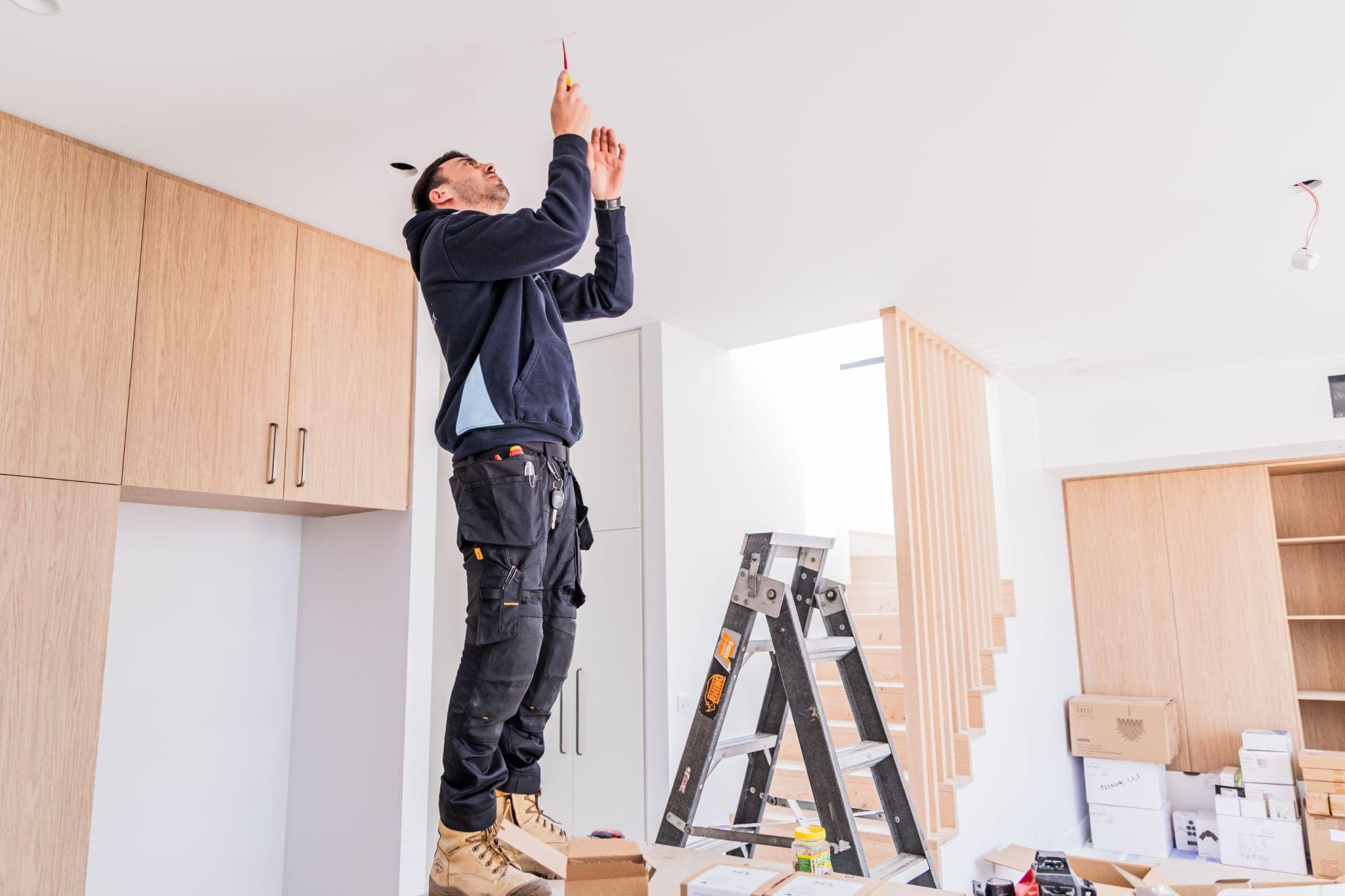
Recently, one of our trusted electricians completed a total lighting renovation at a property in Hampton. Our electrician installed new feature pendants, wall lights, LED strip lighting, and functional downlights, while also upgrading the entire home to Clipsal Iconic switches and power points.
Our team also fitted a clean-up/down exterior wall light from Beacon Lighting to finish the façade. Another modern, high-quality electrical fit-off was completed safely and professionally by the Approved Electrix team.
One of the main highlight areas of this job was the kitchen, which quickly became the focal point of the entire house. Kitchen lighting is an art in itself, and with proper, professionally executed lighting, any home kitchen can easily become a show-stopper.
@approved.electrix Full renovation completed in Hampton for one of our trusted builders 🔌 Our electrician installed new feature pendants, wall lights, LED strip lighting, functional downlights, and upgraded the entire home to Clipsal Iconic switches and power points. We also fitted a clean up/down exterior wall light from Beacon Lighting to finish the façade. Another modern, high-quality electrical fit-off completed safely and professionally by the Approved Electrix team. #ApprovedElectrix #HamptonElectrician #MelbourneElectrician #HomeRenovation #ClipsalIconic ♬ original sound – Approved Electrix
Watch on TikTok: Full renovation completed in Hampton for one of our trusted builders
Kitchen Areas That Need Proper Lighting
Kitchens are made up of far more areas than just a sink and a stove. Modern Aussie kitchens are designed to incorporate many different work areas and dedicated spaces that accommodate different cooking styles and multiple people at once.
Beyond the general open space, some of the main stage areas in your kitchen where lighting plays an important role include:
- Kitchen Island
- Cabinets
- Under-Cabinets
Lighting can add depth, definition, and a sense of cohesion and craftsmanship that elevates the overall look of a kitchen. For a well-rounded and well-lit kitchen, homeowners will want to be strategic about what kind of lighting they install in different parts of their kitchen.
The Centrepiece of Your Kitchen: Island Pendant Lighting
In most kitchens today, there is a kitchen island. The island is the star of the show, a centrepiece deserving of its own spotlight that balances task utility with visual appeal.
Pendant lights are popular choices for kitchen island lighting, providing focused light and serving as an eye-catching design feature, especially in modern Australian kitchens. Correct spacing is vital: even distribution prevents dark spots and avoids overwhelming the island. Height is equally important, ensuring light doesn’t obstruct sightlines (too low) or fail as task lighting (too high).
Light temperature affects function, too: cooler tones aid prep (visibility, colour accuracy), while warmer tones suit entertaining (relaxed atmosphere). Dimmable lighting or a balanced choice allows the island to adapt to various uses.
Create Depth & A Premium Look with Floating Cabinet Lighting
Floating cabinets and open shelving are becoming increasingly more common in modern kitchen design, but without the right lighting, these elements can appear flat or disconnected from the rest of the space.
LED strip lighting installed beneath floating cabinets is one of the most effective ways to enhance both form and function. This type of lighting softly washes the wall or splashback below, creating visual separation between surfaces while also improving visibility on benchtops. For open shelves, subtle backlighting can highlight decorative items and add warmth without overpowering the space.
Inside cabinets, motion-sensor LED downlights are a practical and premium-feeling addition that often goes unnoticed until experienced. These lights automatically illuminate when a cabinet is opened, making it easier to find items while reducing the need for overhead lighting at night. Perhaps most importantly, they can create clear visual separation between cabinetry, walls and benchtops, preventing the kitchen from looking flat or one-dimensional.
Install Under-Cabinet Lighting for Practical Task Areas
Under-cabinet lighting is one of the most functional additions you can make to a kitchen. It directly addresses a common problem caused by ceiling lights and downlights: shadows on benchtops.
When light sources are positioned behind you, your body blocks the light, making food preparation harder and less safe. By installing lighting beneath overhead cabinets, benchtops are evenly illuminated exactly where needed. This significantly improves visibility for tasks such as chopping, cooking and cleaning, reducing eye strain and the risk of accidents.
Homeowners also have a choice between hardwired and plug-in LED options. Hardwired systems are typically more seamless and reliable, making them ideal for renovations or new builds. Plug-in options can be useful for retrofitting or upgrading existing kitchens, although they may be more visible and less integrated into the overall design.
Ambient vs Task vs Accent Lighting – Get the Balance Right
The most successful kitchens use a layered lighting approach that combines ambient, task and accent lighting. Each layer serves a different purpose, and together they create a space that is both practical and visually appealing.
| Ambient vs Task vs Accent Lighting – Get the Balance Right | |||
| Lighting Type | Purpose | Common Examples | Effect |
| Ambient Lighting | Provides overall illumination | Ceiling lights, downlights | Creates an inviting base level of brightness while maintaining comfort and visual clarity. Warmer tones feel relaxed and homely, while neutral tones keep the kitchen looking clean and modern. |
| Task Lighting | Supports specific activities | Island lights, under-cabinet lighting, sink lighting | Improves visibility and colour accuracy for food preparation, reducing shadows and eye strain. Cooler tones help surfaces and ingredients appear sharper and easier to work with. |
| Accent Lighting | Enhances design and atmosphere | Cabinet lighting, splashback lighting, feature walls | Adds depth and visual interest, highlighting textures and finishes. Warmer hues soften the space and create a sense of luxury, particularly in the evenings. |
A layered combination of some or all of these lighting options will surely make any kitchen stand out! Each of these options is also super easy to choose energy-efficient and sustainable options for, meaning you can light your kitchen while also saving money on electricity.
Common Kitchen Lighting Mistakes to Avoid
Even the most stylish of kitchens can fall short if lighting is poorly planned. Many common lighting mistakes can be avoided by foregoing DIY fixes with strategy and professional advice, helping ensure the kitchen remains practical, comfortable and visually balanced.
Here are some common kitchen lighting mistakes to avoid.
Using Only Ceiling Downlights
Relying solely on using ceiling downlights is one of the most common lighting mistakes made in modern kitchens. While downlights provide general illumination, they often fail to adequately light the majority of work areas. This can result in shadows on benchtops and poor visibility where precision is needed most.
Without additional task and accent lighting, kitchens can feel flat and lack depth. A layered lighting approach ensures that each zone is properly illuminated and the space feels more dynamic and functional.
Lights Placed Too High or Too Low
Incorrect light placement can quickly undermine even the best-looking lighting fixtures. Lights installed too high may not deliver sufficient brightness to work surfaces, while those positioned too low can obstruct views and make people feel uncomfortable, particularly over islands and dining areas.
Proper placement ensures lighting supports both function and flow within the kitchen. This is especially important in open-plan homes, where poorly positioned lights can disrupt sightlines and the overall design.
Incorrect Colour Temperature
Choosing the wrong colour temperature can dramatically affect how a kitchen feels and functions. Lighting that is too cool can make the space feel clinical and uninviting, while overly warm lighting may reduce visibility and distort colours during food preparation.
Selecting appropriate colour temperatures for different lighting layers helps strike the right balance between practicality and atmosphere. This is particularly important in kitchens that transition between work and entertaining spaces.
Over-Lighting or Under-Lighting Key Areas
Both over-lighting and under-lighting can create discomfort in the kitchen. Excessive brightness can feel harsh and overwhelming, while insufficient lighting compromises safety and usability.
Achieving the right balance requires thoughtful planning and an understanding of how the kitchen is used throughout the day. By tailoring lighting levels to specific zones and activities, homeowners can avoid extremes and create a space that feels comfortable and well considered.
Call Approved Electrix for Lighting That Transforms Your Kitchen & Home
The right kitchen lighting does more than just brighten a room. It improves functionality, enhances safety and brings out the best in your kitchen’s design. By tailoring lighting to different zones, layering ambient, task and accent lighting, and embracing modern, energy-efficient solutions, homeowners can create kitchens that are both practical and visually stunning.
If you are planning a kitchen upgrade or renovation, speaking with a licensed electrician can help you develop a customised lighting plan that suits your space, lifestyle and budget. Upgrading your kitchen lighting with modern, energy-efficient solutions is an investment that pays off every day you use the space.
To take the next step, consider arranging a customised kitchen lighting assessment with Approved Electrix and discover how the right lighting plan can transform the heart of your home.
Call us today to start your kitchen lighting renovation and get a free quote!
