
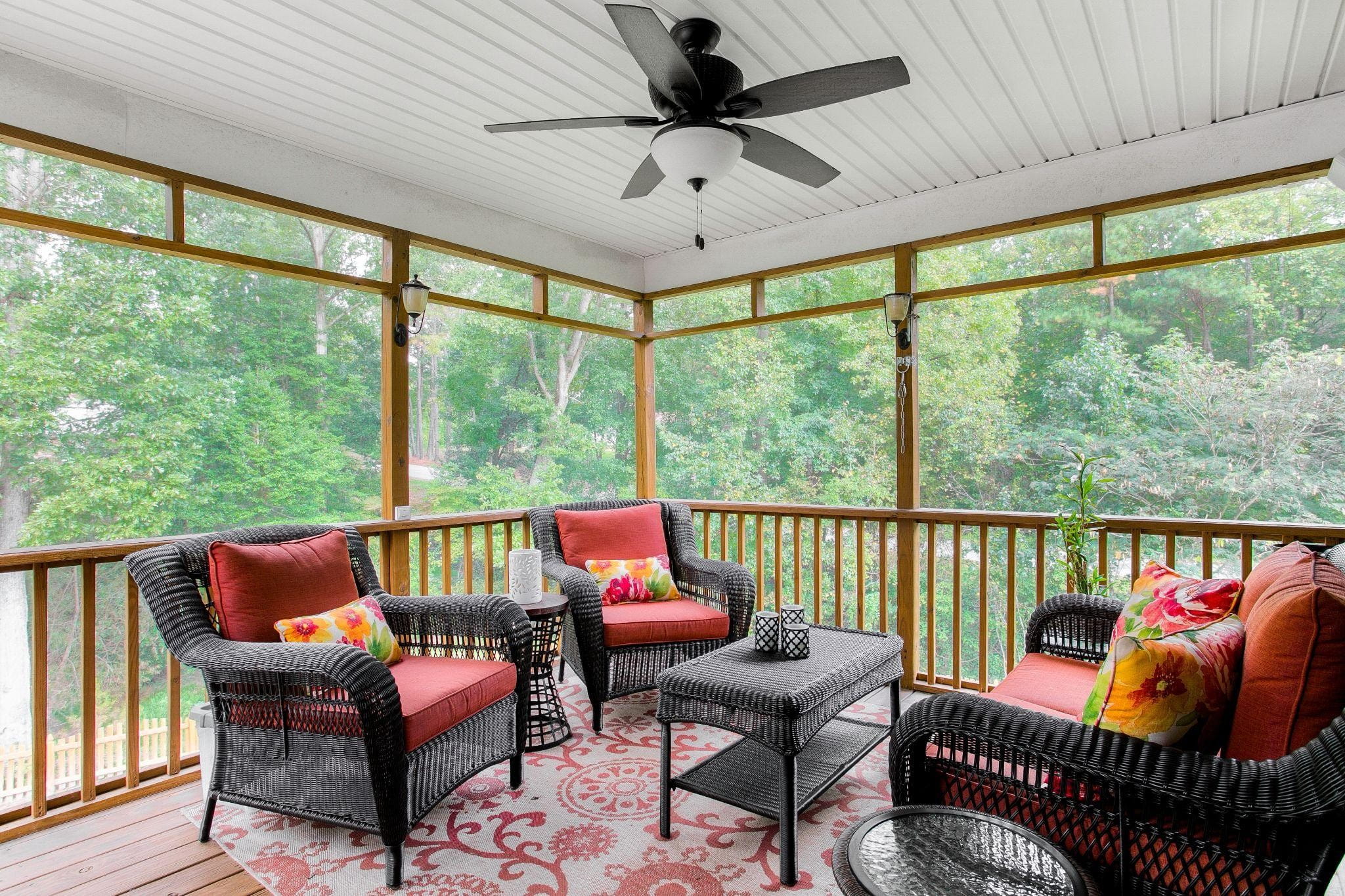
If you’re looking to get more out of your patio, deck, or alfresco area, an outdoor ceiling fan is one of the simplest upgrades with the biggest impact.
Whether you’re hosting friends, unwinding after work, or trying to make your outdoor area usable year-round, the right fan paired with a professional outdoor ceiling fan installation can completely change how the space feels.
Outdoor ceiling fans achieve more than just moving air around! Better airflow, improved comfort, and a more inviting setup all come down to getting the design and installation right.
And that’s where experience matters. Working with a licensed electrician ensures your fan is installed safely, positioned correctly, and built to handle outdoor conditions from day one.
In this guide, we’ll cover the basics of professional ceiling fan design, installation, and maintenance, so you can know all about how to create an outdoor space you can actually enjoy — even on those hot days!
Why an Outdoor Ceiling Fan Is Worth It
An outdoor ceiling fan can serve as a stylish focal point in your outdoor space, offering both visual appeal and functionality. Outdoor fans are specifically built to handle moisture, heat, and environmental exposure, making them far more durable and inexpensive than air conditioning.
Benefits of an outdoor ceiling fan include:
- Improved air circulation
- Cooling without enclosed air conditioning
- Reduced humidity and stagnant heat
- Fewer insects and flying pests
- Improved comfort for entertaining and relaxing
When professionally installed, outdoor ceiling fans can improve airflow, reduce heat buildup, and make outdoor spaces far more usable, which is especially helpful during Australia’s intense summers. When paired with outdoor patio heating, your outdoor space will be equipped to handle any function, no matter the season.
Outdoor Ceiling Fan Design Tips
No two outdoor ceiling fans are truly the same. Design dictates performance, so the kind of space and climate you are in will impact which fan design serves you best.
Choosing the Right Size and Placement
The size of your outdoor ceiling fan directly impacts its performance. A fan that’s too small won’t move enough air, while one that’s too large can overwhelm the space and even fail to spin properly.
Also, a missized fan will just look silly!
Use these parameters as a general guide:
- Small patios: 120 to 132 cm fans
- Medium areas: 132 to 142 cm fans
- Large alfresco zones: 152 cm+ or multiple fans
Proper placement ensures even airflow and avoids dead zones. Measuring your space before purchase and installation is essential for ensuring balanced cooling and aesthetics.
Materials That Last Outdoors
Outdoor and indoor ceiling fans are not designed using the same materials. Outdoor environments demand durable materials that can withstand a variety of conditions.
Consider the following materials based on what they are best suited to go up against:
- ABS plastic blades: resistant to weather and moisture
- Marine-grade stainless steel: resistant to corrosion and grime
- Aluminium housings: resistant to rust
These materials can help your outdoor ceiling fan withstand UV exposure, humidity, and coastal conditions, ensuring you get the most out of your fan installation, regardless of the conditions it faces.
Damp-Rated vs Wet-Rated Fans
Outdoor ceiling fans are rated for damp or wet conditions. Choosing the correct rating is critical.
Damp-rated fans are suitable for covered outdoor areas where the fan may be exposed to humidity and moisture but is protected from direct water contact. Wet-rated fans are required in areas where the fan may come into direct contact with rain, such as partially covered spaces or near pools.
Be sure to choose an outdoor ceiling fan rated appropriately for your type of space and environment.
IMPORTANT: Never install an indoor-rated fan outdoors. Indoor fans lack the corrosion-resistant materials and sealed motors needed to withstand moisture. Using an indoor fan outside creates electrical hazards and will void any warranty.
Outdoor Ceiling Fan Installation: What You Need to Know
If you’re wondering how outdoor ceiling fans are installed, the process involves more than just simply mounting and wiring. As with any electrical renovation or upgrade, the scale and scope of the project will determine the extent of changes, ranging from minimal to major.
Here is a basic overview of what goes into installing an outdoor ceiling fan.
- Power is turned off at the mains circuit breaker or power box.
- A fan-rated electrical box is installed.
- The bracket is mounted securely to the structural framing.
- Wiring is connected safely, and connections are sealed.
- The fan body and blades are attached to the ceiling unit.
- The fan is tested for wobble, balance, and safe, silent operation.
While this gives a basic idea of how to install an outdoor ceiling fan, electrical work should always be handled by licensed professionals to ensure safety and compliance.
Why Professional Installation Matters
Electrical renovations and upgrades should be performed by qualified, licensed electricians. DIY fixes are often not performed safely and can lead to improper installations and damage to materials and property.
After all, incorrect installation is often one of the leading causes of fan failure, not the fan itself. A professional installation will help guarantee the following:
- Electrical connections are safely protected from moisture
- Mounting is secured properly to handle vibration and weight strain
- Long-term reliability and performance
- Compliance with Australian electrical standards
Maintenance Tips to Extend Your Fan’s Lifespan
Since your outdoor ceiling fan is more exposed to the elements, you need to perform regular maintenance. This will help keep your unit working efficiently and prevent wear and tear or internal damage.
How to Clean Outdoor Ceiling Fans
Outdoor ceiling fans can get dirty quickly. Knowing how to clean a ceiling fan is essential for maintaining performance.
Follow these simple steps:
- Turn off the power before cleaning.
- Wipe blades regularly to remove any dust and debris.
- Use mild detergent for stubborn grime.
- Dry thoroughly to prevent moisture damage.
Regular cleaning keeps your outdoor ceiling fan balanced, running efficiently, and looking as fancy as ever!
Routine Maintenance Checks
Routine maintenance not only improves performance but also significantly extends your fan’s lifespan. To keep your fan in top condition, check for loose screws or mounting brackets regularly.
Inspect the fan’s blades for any signs of warping or damage to ensure smooth, wobble-free operation. Schedule periodic electrical inspections; your electrical maintenance partner can inspect your fans and outdoor lighting together so as to identify any signs of concern, so you can address them before they worsen.
Install Your Outdoor Ceiling Fan Right the First Time
A high-quality outdoor ceiling fan, combined with expert design and installation, can completely transform your outdoor living space. From improved comfort to long-term durability, the right setup can deliver real value, especially for older homes that lack means of controlling airflow.
If you want peace of mind and professional results, trust experienced electricians who understand outdoor conditions and compliance requirements.
Get started today with ceiling fan installation services from Approved Electrix. We will help make your outdoor space cooler, more comfortable, and built to last!
